SNUH POLARIS

「SNUH POLARIS (Precision OncoLogy And Rare-common dIsease Supporter)」

SNUH POLARIS is an integrated clinical-genomic decision support system developed by Seoul National University Hospital and built on its Hospital Information System (HIS).

Access

Key Features

Clinical Applications

Implementation of a Data Bank and Precision Medicine Knowledge Bank System​

Integrated in real time with the HIS, it allows for the at-a-glance viewing and analysis of a patient’s clinical, pathological, and genomic information.

Data and Standards Integration

SNUH HIS
SNUH Genomic DB
Genomic Standards

POLARIS Data Integration Pipeline

Real-Time HIS Integration
  1. Data Cleansing System
    Linked Data
  2. Data Query System
    Cleansed Data
  3. Data Analysis System

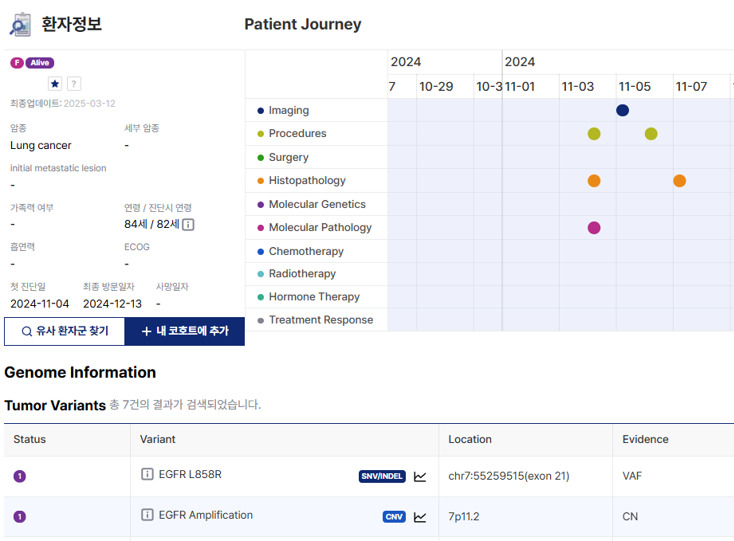
All-in-One Patient View

POLARIS all-in-one patient view timeline and genome tumor variants

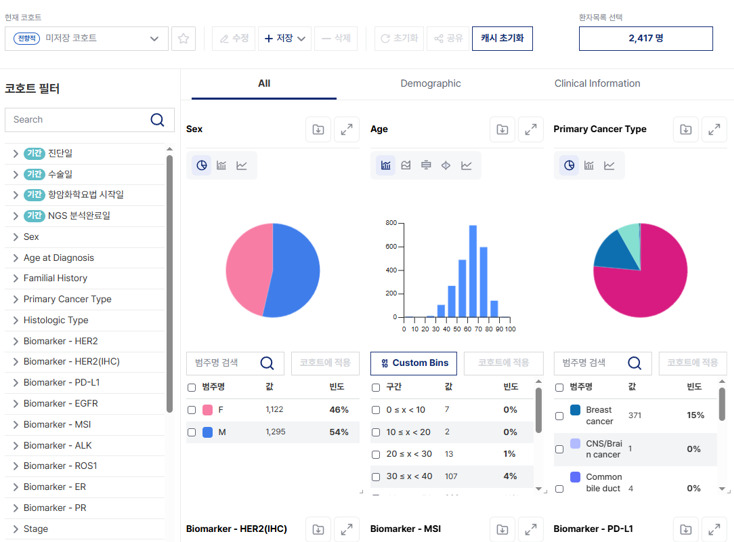
Big Data Dashboard

POLARIS big data dashboard oncoprint and cohort filter interface

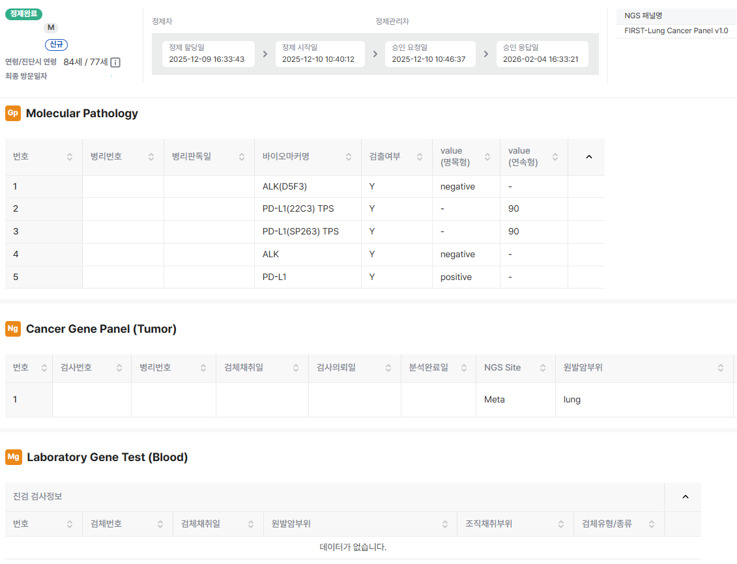
AI-Powered Data Cleansing

POLARIS AI data curation interface for molecular pathology and cancer panel

POLARIS: Trends in Advanced Precision Medicine

POLARIS creates a virtuous cycle between research and clinical practice through comprehensive patient data collection and collaboration among industry, academia, and research institutions.

Precision Medicine Knowledge Bank

Precision Medicine

Becoming a Leading Hospital

Expanding precision medicine through the knowledge bank

Positioning SNUH as a first mover

Healthcare

New Business Development

Gaining an early lead in related fields, including clinical trials and standards

Creating economic and industrial value
Clinical Research

A Virtuous Research Cycle

Bringing in-house precision medicine findings back into clinical practice

A hub for future medicine through knowledge creation
Public Contribution

Sharing the Knowledge Bank

Contributing to society by making data publicly available

Achieving project goals and serving the public interest

Expected Benefits of POLARIS

POLARIS builds a virtuous cycle in precision medicine by integrating clinical, pathological, and genomic data and drawing on a knowledge bank.

Comprehensive Patient Data Collection

Hospital Patient Cohort

Cancer · Rare Diseases · Chronic Diseases

Clinical DataCDW
Clinical SpecimensBiobank
  • Acquiring clinical data, specimens and omics data
  • Building a high-quality foundation for precision medicine
  • Creating a cycle of in-house data reuse
Data Anonymization

Hospital–Industry Collaboration Cycle

Research-Based Industry

Joint research by hospitals and industry

  • Anonymized data for the data industry
  • Applications in R&D and clinical trials
  • Translating research findings into patient care

Data Reuse Cycle

Data-Driven Research

Omics DataData Bank
Clinical ResearchBasic Research

Omics data in the data bank and clinical and basic research are interconnected to enable data reuse.

Data reuse by precision medicine experts
Discovery of precision medicine data
Building a Knowledge Bank
Bringing Medical Big Data Back to the HospitalA data cycle supporting patient care and precision medicine research

Research findings returned to the hospital support patient care and further data use.